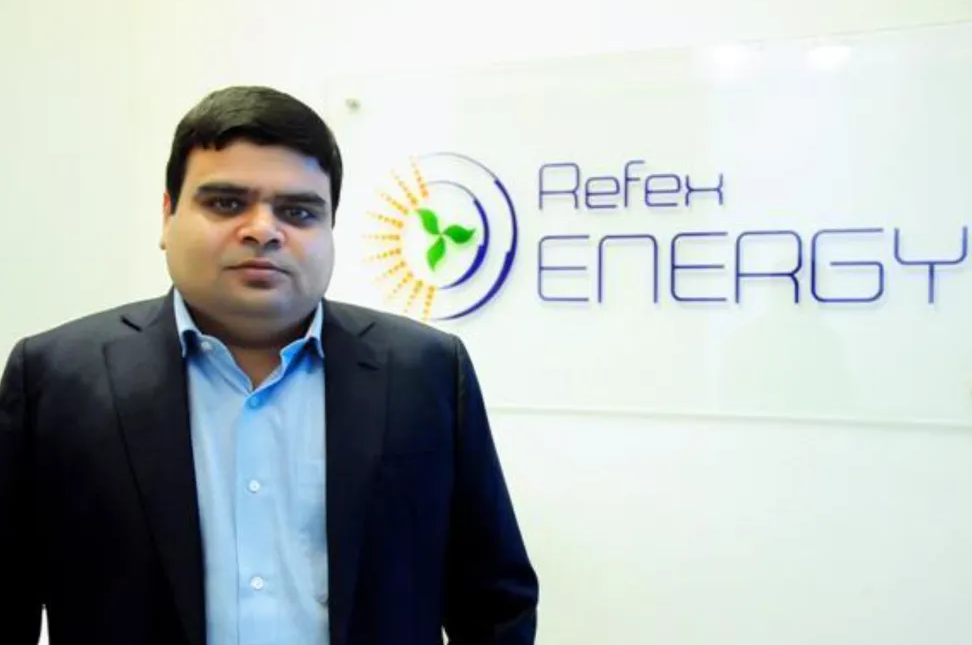
Anil Jain Refex on Energy Efficiency and Resource Recovery
India’s energy future will depend not only on the expansion of renewable power and new energy sources but also on how efficiently energy and resources are used across the economy.
As energy demand grows, improving efficiency can reduce pressure on power systems, lower operating costs and decrease the amount of fuel required to support economic development. Resource recovery and circular-economy practices can provide additional benefits by reducing waste and improving the productive use of materials.
Anil Jain Refex has identified energy efficiency, advanced technologies and resource utilisation as important elements of a broader strategy for strengthening India’s long-term energy resilience.
Energy Efficiency Can Reduce Future Demand
Economic growth often leads to higher energy consumption. Industrial development, urbanisation, transportation and rising demand for cooling can increase the need for electricity and fuel.
Expanding energy supply will remain necessary. However, reducing unnecessary consumption can also contribute to energy security.
Energy-efficient industrial equipment and improved operational processes can help businesses produce more while using fewer resources. Energy management systems can identify areas of waste and support better decision-making.
Efficiency improvements can also reduce costs and help industries manage exposure to changing energy prices.
The Importance of Sustainable Cooling
Cooling demand is expected to become increasingly important as urban populations grow and temperatures rise.
The use of advanced cooling technologies can help reduce electricity consumption while maintaining comfort and supporting industrial operations. Efficient cooling systems may also reduce pressure on electricity infrastructure during periods of high demand.
The transition toward lower global-warming-potential refrigerants is another important part of sustainable cooling. When combined with energy-efficient equipment and responsible maintenance, these technologies can support both environmental and energy objectives.
Circular Economy Practices Create Additional Value
Energy and material use are closely connected. Producing new materials often requires substantial energy for extraction, processing and transportation.
Circular-economy practices aim to keep resources in productive use for longer. Recovery, reuse and responsible material management can reduce waste while lowering dependence on some new raw materials.
The productive utilisation of industrial by-products such as fly ash is an example of how resource recovery can support efficiency. When used appropriately, these materials can contribute to construction and infrastructure applications while reducing disposal requirements.
Resource recovery can also lower the energy intensity associated with producing and transporting conventional materials.
Energy Security and Resource Security
Energy security should be considered alongside resource security. Industries depend on reliable access to both energy and materials.
Improving resource efficiency can reduce exposure to supply-chain disruptions and international commodity volatility. It can also support more sustainable industrial development.
A broader approach to energy resilience should therefore include efficient technologies, responsible material use and systems that recover value from industrial and municipal resources.
Implementation at Scale
Technology alone cannot deliver large-scale efficiency improvements. Businesses require access to investment, technical expertise and reliable information.
Clear standards and long-term policy direction can encourage the adoption of efficient technologies. Financial support may also help organisations invest in equipment and process improvements.
Data can play an important role. Measuring energy consumption allows businesses to identify inefficiencies and evaluate the impact of new technologies.
Cooperation between policymakers, industries, technology providers and financial institutions can help accelerate implementation.
Conclusion
India’s energy security will be shaped by how effectively the country produces, consumes and manages resources.
Renewable energy and domestic low-carbon solutions remain important, but efficiency can reduce the amount of energy required to support growth. Resource recovery can create value from materials that might otherwise become waste.
By combining energy-efficient technologies with circular-economy practices, India can build a more resilient and resource-efficient economy. The transition will require continued investment, practical implementation and long-term collaboration across sectors.
0 Comments Add a Comment?